
The Quick Answer
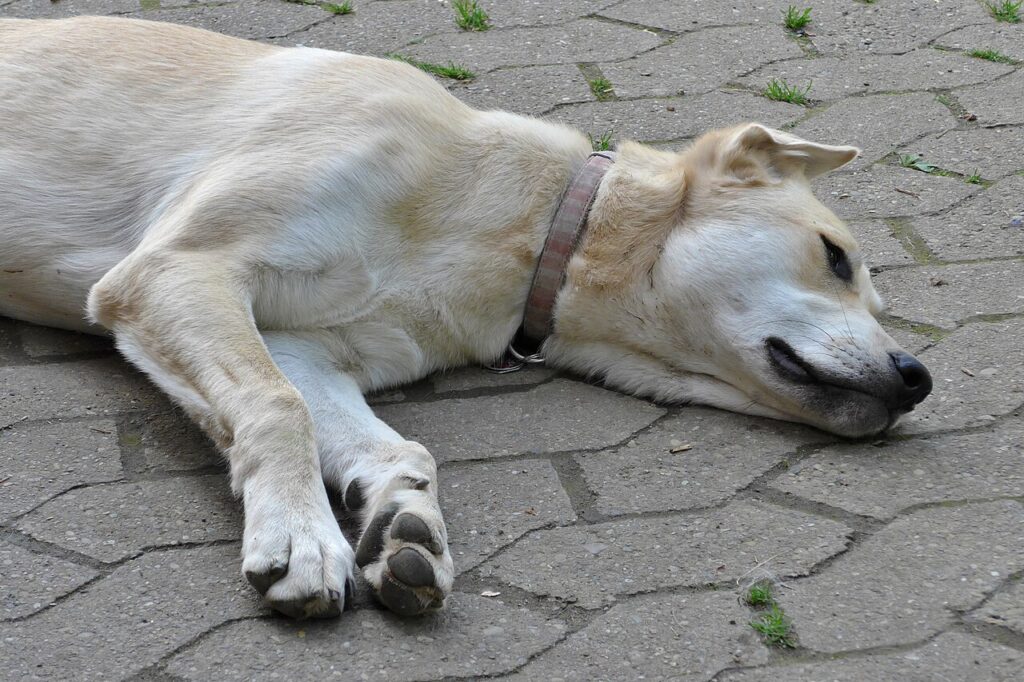
A dog who sleeps on his back is showing you that he feels safe. The belly is the most vulnerable part of a dog’s body, and exposing it while sleeping means your dog trusts his surroundings completely. It is one of the clearest signs of a happy, relaxed dog.
This sleeping position also helps dogs cool down. A dog’s belly has less fur and more blood vessels near the skin, so flipping over is a natural way to release body heat. If your dog naps on his back with his legs in the air, he is comfortable, content, and probably a little warm.
Why Dogs Sleep on Their Backs
Feeling safe and relaxed
Dogs only expose their bellies when they feel secure. A dog sleeping on his back in your home is telling you that he considers this place, and you, completely safe. This is why rescue dogs and newly adopted dogs often take weeks before they sleep this way: trust has to be earned first.
Cooling off
Dogs do not sweat the way people do. They cool themselves by panting and by exposing areas with thin fur. The belly has the thinnest fur on a dog’s body, so sleeping on the back is an effective way to dump heat. Dogs sleep on their backs more often in summer and in warm rooms.
Comfort and stretching
Sometimes it is simply the most comfortable position. Dogs with long backs or deep chests often find that lying on their backs stretches the spine and relieves pressure. Older dogs with stiff joints may also choose this position because it takes weight off sore hips and shoulders.
Deep sleep
Dogs who sleep on their backs are usually in deep sleep. Dogs cycle through light sleep and deep REM sleep just like humans do, and the back-sleeping position tends to show up during the deepest, most restful stretches. You may notice twitching paws or soft woofs: your dog is dreaming.
Trust in you
A dog who sleeps on his back near you, on your couch, or at your feet is expressing trust in you personally. In the wild, no animal sleeps belly-up near a creature it does not trust. Take it as a compliment: you are your dog’s safe place.
Breed and body type
Some breeds sleep on their backs more than others. Greyhounds, Boxers, Pit Bulls, and other short-coated, deep-chested breeds are famous back sleepers. Dogs with short fur get more cooling benefit from the position, so they use it more often.
When to Worry
Back sleeping itself is never a problem. What matters is change. If a dog who always curled up suddenly starts sleeping only on his back, or if the position comes with signs of pain such as whimpering when getting up, stiffness, reluctance to walk, or loss of appetite, see your vet. A sudden change in sleeping habits can be an early signal that something hurts. Also keep an eye on overweight dogs: heavy panting combined with constant belly-up sleeping in warm weather can be a sign the dog is struggling to cool down.
Should You Let Your Dog Sleep This Way?
- Yes, always allow it: Back sleeping is a sign of comfort and trust. Never punish or startle a dog out of this position.
- Keep the room cool: Since many back sleepers are cooling off, make sure the room is not too warm. Good airflow and access to water help.
- Protect the belly in the sun: Dogs who sunbathe belly-up can get sunburn on their thinly furred stomachs, especially light-skinned dogs. Provide shade.
- Watch for overheating: Heavy panting, drooling, or restlessness on a hot day can mean the dog is too warm. Move him to a cooler spot and offer water.
- Do not read it as submission: Back sleeping is not the same as the submissive belly-roll dogs do when nervous. A sleeping dog is relaxed; a tense, awake dog showing his belly may be anxious. Context matters.
Frequently Asked Questions
Why does my dog sleep on his back with his legs in the air?
This funny position means your dog is deeply relaxed and probably cooling off. Legs in the air help the dog balance on his back, and the pose usually shows up during the deepest part of sleep.
Does sleeping on the back mean my dog trusts me?
Yes. Exposing the belly is a sign of complete trust and security. A dog who sleeps on his back around you considers you and your home safe.
Is it bad if my dog always sleeps on his back?
No, it is not bad at all. It means your dog is comfortable and happy. Only take note if the habit changes suddenly or comes with signs of pain or illness.
Why did my rescue dog just start sleeping on his back?
That is a wonderful sign. It usually means your rescue dog has finally decided your home is safe. Trust builds slowly, and back sleeping is one of the clearest signals that a dog feels at home.
Why do dogs curl up into a ball to sleep?
Curling conserves body heat and protects the belly and vital organs — an instinct carried over from wild ancestors who slept out in the open. Puppies, small breeds, and dogs in cooler rooms curl the most. Many dogs switch between curling and sprawling depending on temperature and how deeply they want to sleep, and both are completely normal.
What does it mean if my dog sleeps pressed up against me?
It usually means closeness, warmth, and security. Dogs are social sleepers by instinct, and leaning into a trusted person is the domestic version of sleeping in a pile with the pack. It is a compliment, not a problem. Only take note if the clinginess appears suddenly and comes with other changes — that pattern is worth mentioning to your vet.
Should I be concerned if my dog sleeps tensely?
A dog who sleeps stiffly, trembles, whimpers often, or can never seem to fully relax may be stressed, cold, or uncomfortable — tense sleeping is one way pain shows itself, especially in older dogs. Offer a warm, draft-free bed first. If the tense sleeping is new, frequent, or paired with changes in appetite or movement, have your vet check for pain or illness.
Related guides: Why Does My Dog Tilt His Head? | Why Does My Dog Follow Me Everywhere? | Why Does My Dog Lick His Paws?