The Quick Answer
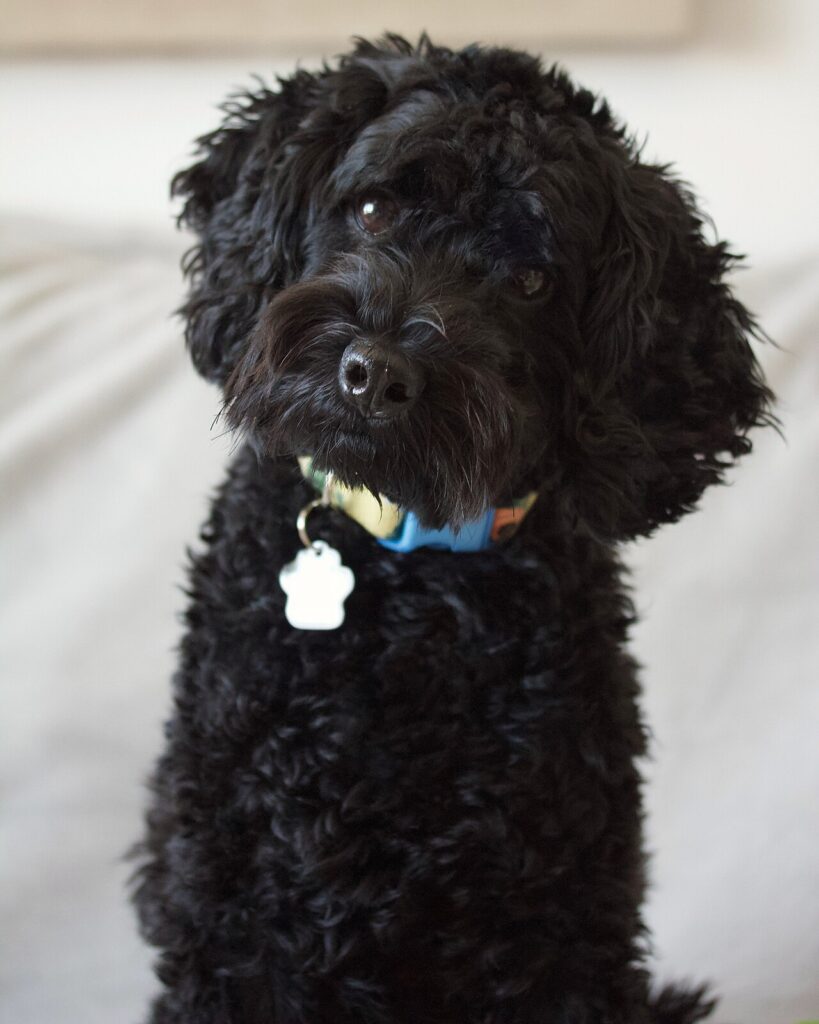
Dogs tilt their heads mainly to hear better, see better, and focus on what you are saying. A head tilt helps a dog place a sound, read your facial expression, and understand an interesting word or tone. It is one of the most endearing things dogs do, and in most cases it is completely normal.
The tilt becomes a concern when it is constant, always to the same side, or comes with signs like scratching at the ear, shaking the head, dizziness, or loss of balance. An occasional tilt during play or training is a good sign. A sudden, non-stop tilt needs a vet check.
What Is Normal and What Is Not
Normal head tilting is brief and happens at interesting moments: when you say a familiar word, make a funny sound, or show your dog a new toy. Your dog tilts, listens, and then goes back to what they were doing. Many dogs tilt more when their owner speaks in a high-pitched or excited voice.
Watch out for a head that stays tilted for hours, tilting that always leans the same way, walking in circles, stumbling, vomiting, flicking an ear, or scratching at one ear. A tilt paired with these signs can point to an ear problem or a balance problem, and it should not be ignored.
Common Reasons Dogs Tilt Their Heads
To hear better
Dogs can move their outer ears to catch sound, but a head tilt also helps them place where a sound is coming from. Tilting changes the angle of the ears, which can make a faint or far-off sound clearer. This is why dogs often tilt when they hear a new sound, a doorbell, or a high-pitched voice.
To see your face better
A dog’s muzzle can block part of their view, especially in breeds with long noses. Tilting the head can bring your eyes and mouth into clearer view, which helps your dog read your expression. Dogs are experts at reading human faces, and a tilt may simply help them see you better.
Curiosity and focus
A head tilt is often a sign of attention. When your dog hears a word they know, like their name, walk, or treat, they tilt to focus on you and wait for what comes next. Puppies often tilt more than adult dogs because so much of the world is new to them.
They learned that you love it
Dogs quickly learn which behaviours get a reaction. If you smile, laugh, or offer a treat when your dog tilts their head, your dog will tilt more often. This is not trickery. It is simply a smart dog repeating something that earns attention and praise.
Ear discomfort
Sometimes a tilt is a response to discomfort in one ear. Wax build-up, moisture after a bath or swim, an insect bite, or the early stage of an ear infection can make a dog tilt toward the sore side. A dog who tilts and also scratches, shakes their head, or holds one ear lower than the other should have their ears checked.
Balance and nerve problems
The inner ear controls balance, so problems there can cause a lasting head tilt. Older dogs can develop a sudden balance condition that causes a strong tilt, dizziness, and nausea. While this sounds scary, many dogs recover with rest and vet care. Any sudden, persistent tilt should be checked promptly.
What You Can Do
- Enjoy it: If the tilt happens during play or training and your dog looks happy and healthy, there is nothing to fix. It is a sign your dog is engaged with you.
- Check the ears: Once a week, gently lift the ear flap and look inside. Healthy ears look clean and pink, with no strong smell. Redness, dark discharge, or a bad smell points to a problem.
- Keep ears dry: Dry your dog’s ears after baths and swimming. Moisture trapped in the ear canal can lead to infections, especially in floppy-eared breeds.
- Note the pattern: If the tilt worries you, note when it happens, which side the head leans toward, and whether other signs appear. This record helps your vet a lot.
- Use it in training: A head tilt is a great moment to reward attention. A calm word of praise or a small treat teaches your dog that focusing on you pays off.
When to See Your Vet
See your vet promptly if the head stays tilted for a long time, the tilt is always to the same side, or your dog shows dizziness, stumbling, nausea, ear scratching, head shaking, or a change in appetite or behaviour. Your vet can check the ears, test balance, and look for infection or other causes. Do not put drops, oils, or cleaners in your dog’s ears unless your vet tells you to, since the wrong product can make an ear problem worse.
Frequently Asked Questions
Why does my dog tilt his head when I talk to him?
Your dog is trying to understand you. Tilting helps them hear your tone more clearly and see your face better. It is a sign of attention and curiosity, and many dogs tilt more when their owner uses an excited or high-pitched voice.
Do some breeds tilt their heads more than others?
Yes. Dogs with longer muzzles may tilt more to see past their nose, and floppy-eared breeds may tilt to adjust their ears. That said, dogs of every breed and size tilt their heads, and the amount varies more by individual dog than by breed.
Is head tilting a sign of intelligence?
A head tilt shows that your dog is paying attention and processing what they hear. Dogs who tilt often may be good at learning words and reading people. It is a sign of engagement rather than a test score, but engaged dogs do tend to learn quickly.
When is head tilting an emergency?
A sudden, strong tilt with dizziness, stumbling, vomiting, or rapid eye movement needs same-day vet care. Ear infections and balance problems can come on fast, and early treatment leads to better outcomes. If your dog cannot walk straight, call your vet right away.
Is it normal for my dog to always tilt his head to the same side?
Often, yes. Many dogs develop a natural preferred side — similar to handedness in people — and will tilt the same way for years with no problem at all. The pattern to worry about is a new, constant tilt that appears suddenly, especially with stumbling, flicking eyes, nausea, head shaking, or ear odor. A lifelong favourite side is a quirk; a brand-new fixed tilt is a vet visit.
Related guides: Why Does My Dog Lick His Paws? | Why Does My Dog Eat Grass? | Can Dogs Eat Blueberries?