
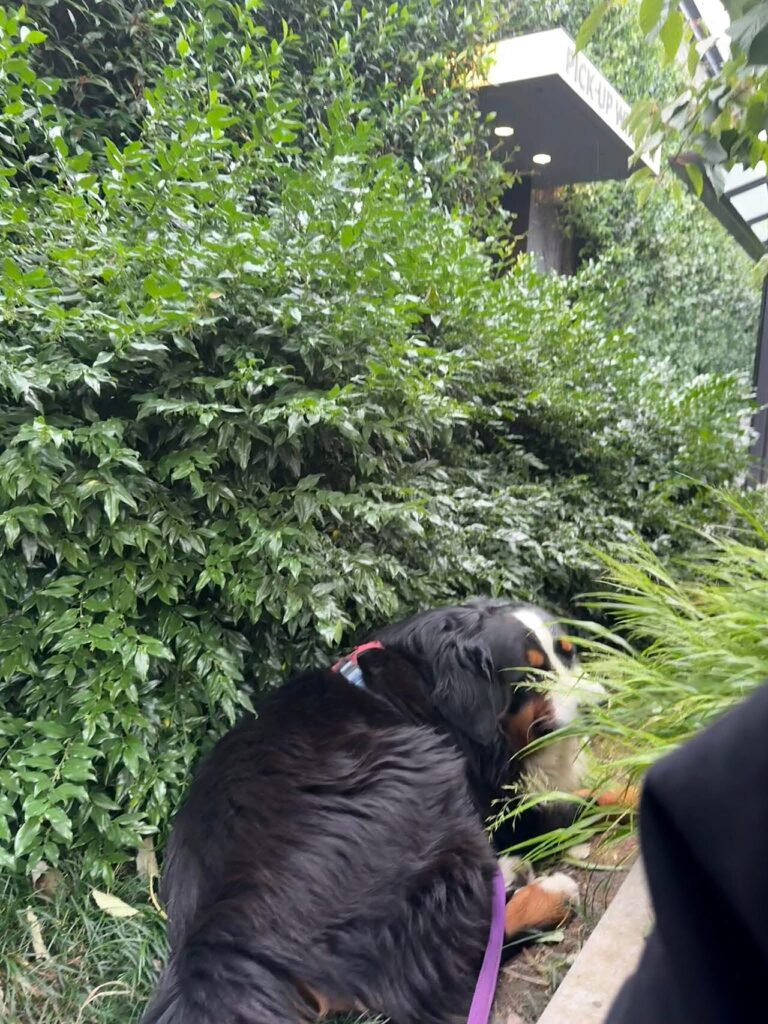
The Quick Answer
Most dogs eat grass sometimes, and it is usually normal. Grass eating is a common behavior in healthy dogs, and most dogs who eat grass do not get sick afterward. Dogs may eat grass because they enjoy the taste and texture, because they are bored, or because it helps settle a mild stomach upset. On its own, grass eating is rarely a sign of a serious problem. The main risks are grass treated with chemicals, toxic plants mixed into the lawn, and frantic, excessive grass eating paired with other symptoms.
How Common Is Grass Eating?
Grass eating is one of the most common dog behaviors owners ask about. Dogs of all breeds, ages, and sizes do it. Wild dogs and wolves eat plant matter too, so the habit likely goes back a long way. Most dogs graze calmly for a few minutes and then go back to playing. Only a small share vomit afterward, and vomiting once after grass is not by itself a sign of illness.
Why Dogs Eat Grass
Taste and texture
Some dogs simply like grass. Fresh spring grass tastes sweet, and many dogs enjoy the texture of chewing it. Puppies in particular explore the world with their mouths, and grass is one of the first things they sample outdoors.
Boredom and instinct
Dogs left alone in a yard with little to do may graze out of boredom. Grazing can also be a leftover instinct from wild ancestors, who ate plant matter as part of a varied diet.
Mild stomach upset
Some dogs eat grass when their stomach feels off. One idea is that grass tickles the throat and stomach lining, which can lead to vomiting and a sense of relief. Vets are not sure this is the real reason, since many dogs eat grass without vomiting at all. Either way, a dog who grazes calmly and acts fine afterward is usually not in trouble.
Fiber
Grass contains fiber, and some dogs may seek it out when their diet feels light on roughage. A balanced dog food already covers fiber needs for most dogs, so grass eating is rarely a sign of a missing nutrient.
Is Eating Grass Dangerous?
Untreated grass in a clean yard is generally low risk. The dangers come from what is on the grass, not the grass itself:
- Lawn chemicals: Herbicides, pesticides, and fertilizers can be toxic. Keep your dog off treated lawns until the area is fully dry and the label says it is safe for pets.
- Toxic plants: Some garden plants are poisonous to dogs. If your dog grazes near flower beds, make sure the plants there are dog-safe.
- Parasites: Grass in areas where other animals pass stools can carry parasites. Keep your yard clean and keep up with your vet’s parasite prevention plan.
- Sharp or tough grass: Very coarse grass can irritate the mouth or throat, though this is uncommon.
What to Do When Your Dog Eats Grass
- Stay calm. A few mouthfuls of clean grass are not an emergency.
- Check the lawn. If it was recently treated with chemicals, move your dog to a clean area and rinse the mouth and paws with water.
- Offer other outlets. Daily walks, play, chew toys, and training games reduce boredom grazing.
- Feed a balanced diet. A complete dog food suited to your dog’s age and size covers daily nutrition.
- Try pet grass. A small pot of pet grass or wheatgrass gives your dog a safe patch to chew on indoors.
- Do not punish grazing. Scolding will not stop the habit and can make anxious dogs worse.
When to Worry
See your vet if grass eating comes with repeated vomiting or diarrhea, drooling, lethargy, loss of appetite, or blood in the stool or vomit. Also book a visit if your dog eats grass frantically, eats large amounts every day, or starts eating non-food items such as rocks, fabric, or soil. These patterns can point to digestive trouble, nausea, or a condition called pica, and they deserve a professional check.
Frequently Asked Questions
Do dogs eat grass when their stomach is upset?
Some do. Grass eating can follow mild stomach upset, though many dogs eat grass when they feel perfectly fine. If your dog grazes calmly and acts normal afterward, it is usually nothing to worry about.
Should I stop my dog from eating grass?
There is usually no need to stop it. Just make sure the grass is free of chemicals and toxic plants, and redirect your dog with a toy if grazing turns into gulping large amounts.
Does eating grass mean my dog lacks nutrients?
Generally, no. Dogs on a complete, balanced diet get the nutrients they need. Grass eating is more often about taste, boredom, or habit than a deficiency.
Will grass make my dog vomit?
Sometimes. A small share of dogs vomit after eating grass, usually once, and then act fine. Repeated vomiting, or vomiting paired with other symptoms, is a reason to call your vet.
Why does my dog frantically eat grass in the morning and then vomit yellow bile?
This pattern usually means an empty stomach. When a dog goes all night without food, bile and stomach acid build up, and eating grass is a common way dogs try to settle the nausea — the yellow vomit is bile. A small late-evening snack or a slightly earlier breakfast often breaks the cycle. If the morning vomiting happens several times a week, or comes with weight loss or a poor appetite, see your vet to rule out reflux or another digestive problem.
Can eating grass give my dog parasites?
It can. Grass in parks and yards where other dogs relieve themselves can carry parasite eggs and bacteria. Most cases lead to nothing, but dogs who graze in shared areas should stay current on deworming. If your dog eats grass and develops diarrhea, vomiting, or a pot-bellied look, ask your vet for a fecal test — it is quick, inexpensive, and settles the question.
Related guides: Can Dogs Eat Oatmeal? | Can Dogs Eat Pumpkin? | Can Dogs Eat Rice?
More Dog Behavior, Explained
Grass-eating is one odd habit; tail chasing is another owners ask us about constantly. Here is what it usually means, and the rare cases where it points to a medical issue.